A gasketed plate heat exchanger is a type of plate heat exchanger where the plates are sealed together with gaskets (rubber or elastomer seals). These gaskets create a barrier between the fluids to prevent mixing and leakage.

Advantages of Gasketed Plate Type Heat Exchangers
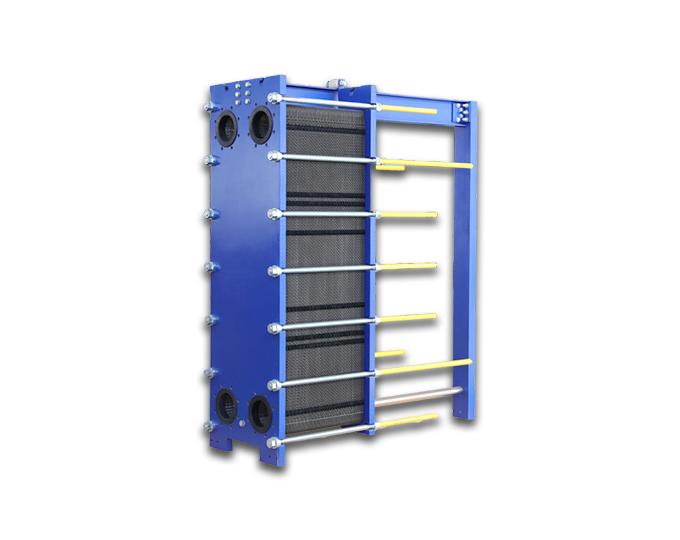
  1. High Efficiency: Plate-type heat exchangers have a large surface area in a relatively small footprint, leading to efficient heat transfer.
  2. Compact Design: They are more compact compared to other types of heat exchangers, making them suitable for installations where space is limited.
  3. Easy Maintenance: The design allows for easy disassembly and cleaning of the plates, which helps in maintaining the performance of the heat exchanger.
  4. Modularity: Additional plates can be added or removed to adjust the heat transfer capacity, providing flexibility in design.
  5. Low Fouling: The corrugated design of the plates helps to minimize fouling, which is the accumulation of deposits on the heat transfer surfaces.
  6. Easy Maintenance: The gaskets can be replaced if they become worn or damaged, allowing for extended service life.
  7. Versatility: They can handle a wide range of fluids, including those with higher temperatures and pressures.
  8. Cost-Effective: Gasketed plate heat exchangers are often more affordable compared to other types of heat exchangers.
  9. Suitable for Dirty Fluids: They can handle fluids with particulate matter or impurities, as long as the particles are not abrasive enough to damage the gaskets.