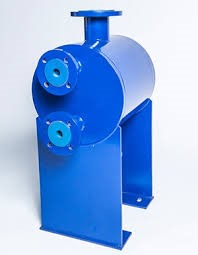
Shell & Plate (welded) plate heat exchangers, as the name suggests, have plates that are permanently welded together, eliminating the need for gaskets. Instead, the plates are typically made from materials with high corrosion resistance.

Shell & Plate (welded) plate heat exchangers, as the name suggests, have plates that are permanently welded together, eliminating the need for gaskets. Instead, the plates are typically made from materials with high corrosion resistance.
Advantages of Shell & Plate Heat Exchangers:
Both gaskets and shell & plate (welded) plate heat exchangers have their unique advantages, and the choice between them depends on the specific requirements of the application. Gasketed plate heat exchangers are more common for applications where flexibility and easy maintenance are important, while welded plate heat exchangers are favored for high-pressure and high-temperature applications.
Copyrights © 2023 All Rights Reserved